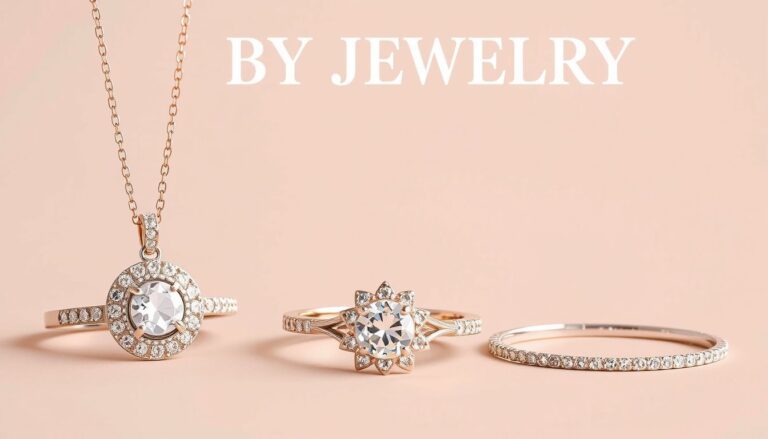
don roberto’s jewelry: What I Look For Before I Buy
don roberto’s jewelry caught my eye because it sits in that tricky middle ground: accessible enough to buy on impulse, but “nice” enough that I want to be sure I’m getting real value.
I’ve bought jewelry for milestones, gifts, and everyday wear, and I’ve learned the hard way that sparkle alone isn’t a quality signal. The good stuff holds up, feels comfortable, and comes with clear paperwork.
In this guide, I’ll walk you through how I evaluate style, materials, pricing, fit, and policies before I pay. If you’re new to buying jewelry, you’ll leave with a simple, repeatable process you can use in-store or online.
Why I Started Considering don roberto’s jewelry
I started looking at Don Roberto’s when I wanted pieces that felt “special” without jumping straight into luxury pricing. I also like shopping places that carry a broad mix—chains, rings, earrings, and statement pieces—because it lets me compare options fast.
My main motivation is practicality. If I’m spending real money, I want durability, a clean finish, and a straightforward way to handle sizing or repairs later.
Before I even look at a display case, I decide what success looks like for me:
- Purpose: daily wear, gift, or occasion piece
- Budget: my max out-the-door price (tax included)
- Non-negotiables: metal type, stone preference, return window
What I Notice First: Style, Craftsmanship, and Finish
First impressions matter in jewelry because sloppy finishing shows up fast in real life. I look for symmetry, clean edges, and consistent shine—especially on chains and ring bands where rough spots can snag.
I also check how the piece “reads” from a normal distance. Some designs look great under bright store lights but feel busy or dull once you step back.
Here’s my quick craftsmanship scan:
- Prongs sit evenly and don’t look bent or thin
- Links are uniform, not stretched or misshapen
- Clasps close with a confident click (no wobble)
- Polish is even, with no cloudy patches
If something feels sharp, lightweight in a bad way, or visually uneven, I move on. Life’s too short for jewelry that irritates your skin or your eyes.
How I Judge Materials: Gold, Silver, Stones, and Stamps
Materials are where value lives. I start by looking for stamps inside rings or on clasps: “10K,” “14K,” “18K,” “925,” “Sterling,” or other hallmark markings. No stamp doesn’t automatically mean fake, but it does mean I ask more questions.
For gold, I remind myself: higher karat is softer. If I’m buying a daily ring, durability matters as much as richness of color.
- Gold: confirm karat, ask if it’s solid vs. plated/filled
- Silver: look for 925 and ask about anti-tarnish finishing
- Stones: ask if natural, lab-grown, or simulated
- Stamps/paperwork: request a receipt that lists specs clearly
If a stone is involved, I ask for care guidance. A soft gemstone can scratch quickly, and I’d rather know that before I fall in love with it.
My Process for Comparing Prices (and Spotting Red Flags)
I compare prices by breaking them into “what am I paying for?” Metal weight, stone quality, brand markup, and craftsmanship all play a role. If a deal looks too good, I slow down and verify details.
I like using a simple comparison table in my notes so I don’t get dazzled by one flashy option.
| What I Compare | What I Look For | Red Flag |
|---|---|---|
| Metal type | Solid 10K/14K or 925 listed on receipt | Vague terms like “gold tone” without clarity |
| Stone description | Natural/lab/simulated stated plainly | Only “diamond-like” or no disclosure |
| Return/repair terms | Written policy and timeframe | Verbal promises only |
Look, pricing isn’t just the tag. I factor in warranty value, resizing costs, and whether I’ll need frequent cleaning or replating.
Sizing, Comfort, and Everyday Wear: What I Test
Comfort is the silent dealbreaker. I try pieces on and move like I normally would—open my hand, turn my wrist, tuck hair behind my ear. If it catches, pinches, or spins constantly, it won’t get worn.
For rings, I ask for a proper sizing tool, not a guess. Fingers swell with heat and time of day, so I try it on twice if I can.
- Rings: check knuckle fit and whether edges feel “knife-like”
- Chains: test clasp operation and lay on the neck
- Earrings: feel weight and check backing security
If it’s a gift, I plan for resizing. I’d rather buy the right piece and resize than settle for a “close enough” fit.
Returns, Repairs, and Warranties: What I Ask Up Front
I don’t buy until I understand the policies in plain language. Jewelry is small, expensive, and easy to regret once you’re home under normal lighting.
These are the questions I ask every time:
- What’s the return window, and is it refund or store credit?
- Are custom sizes or engraved items final sale?
- What repairs are covered, and for how long?
- Do they offer cleaning, prong checks, or inspections?
I also ask what paperwork I’ll receive. A detailed receipt matters for insurance, resale, and even simple warranty claims. If the policy feels fuzzy, I treat that as a warning sign.
My Final Checklist Before I Pay (In-Store or Online)
Right before checkout, I run a quick checklist so I don’t miss something obvious. This is where I protect myself from impulse buying, especially during promotions.
- Specs confirmed: metal karat/925, stone type, size/length
- Condition checked: prongs, clasp, links, surface scratches
- Price verified: discounts applied, taxes calculated, fees disclosed
- Policy saved: return and warranty terms in writing
Practical example: when I bought a 14K chain as a gift, I asked the associate to write “14K solid gold, 20-inch, lobster clasp” on the receipt. That one line made the return decision easy when we realized 20 inches wasn’t the right length.
Online, I screenshot the listing, specs, and policy page. If the product arrives different than described, that documentation is my best friend.
Wrapping Up
When I shop Don Roberto’s, I’m not just buying shine—I’m buying clarity. The best experience comes from checking craftsmanship, confirming materials, comparing prices with a cool head, and locking down policies before money changes hands.
If you’re a beginner, keep it simple: verify the stamp, test comfort, and get everything in writing. If a piece still looks great after you’ve asked the “annoying” questions, that’s usually a good sign.
My advice: choose one or two pieces you’ll actually wear weekly, not five that live in a drawer. Jewelry earns its value when it becomes part of your life.
- 60-second recap:
- Start with your purpose, budget, and non-negotiables
- Inspect finish: prongs, links, clasp, symmetry
- Confirm materials via stamps and a detailed receipt
- Compare true cost: resizing, repairs, upkeep
- Test comfort with real movement, not just a mirror glance
- Get returns/warranty terms in writing, save screenshots online