what is permanent jewelry Expert-Backed Ultimate Proven Secret for Effortless Confidence
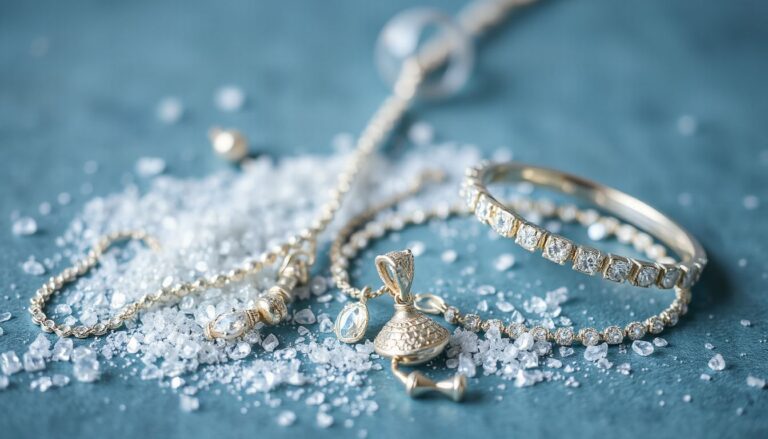
What is permanent jewelry? It is a clasp-free bracelet, anklet, necklace, or ring that is custom fit and then welded closed so it stays on continuously. Minimal hardware. Clean lines. A “set it and forget it” feel that suits daily wear, travel, and gifting.
Unlike traditional pieces you put on and take off, permanent jewelry is designed for long-term comfort and consistency. The chain is sized to your body, then joined with a tiny welded link. No clasp to snag. No missing it on busy mornings.
Look, it is not truly irreversible. A jeweler can remove it, and you can cut it off at home in a pinch. But the intent is continuous wear, with a simple, modern aesthetic that photographs well and layers easily.
Permanent jewelry studios have grown quickly because the process is fast, personal, and often shared. Friends get matching bracelets. Couples choose a subtle chain as a milestone. Parents mark a birthday with a delicate anklet. The appeal is the blend of craftsmanship and meaning, delivered in minutes.
Buying Guide: Key Decision Factors
Start with metal choice. It dictates comfort, longevity, and how the piece behaves in water, sweat, and daily friction. Most studios offer solid gold (10K–18K), sterling silver, and sometimes gold-filled options. If you are sensitive to certain alloys, ask specifically about nickel content and the exact karat.
Next, focus on chain style and durability. Ultra-fine chains look elegant but can be less forgiving if you catch them on bags, towels, or gym equipment. A slightly thicker cable or curb chain often balances delicacy with strength. Now, consider your lifestyle: office work, childcare, sports, or frequent travel all change the ideal chain.
Fit matters more than people expect. Too tight feels restrictive and can irritate skin. Too loose increases snag risk. A reputable artist measures, tests movement, and confirms comfort before welding. Ask whether they leave a small “breathing” gap for swelling during heat, flights, or workouts.
- Material: solid gold for maximum longevity; sterling silver for affordability; gold-filled as a mid-range option.
- Chain gauge: thicker links generally resist breakage better.
- Weld quality: a clean, fully fused join reduces weak points.
- Studio hygiene: sanitized tools, clear process, and proper eye protection.
- Policies: re-welds, repairs, and what happens if it breaks.
Pricing is usually based on metal and chain length, plus any charms. Ask for an all-in quote before sizing. But here’s the thing: the cheapest option can cost more if it breaks repeatedly and needs repair.
| Option | Best For | Trade-Off |
|---|---|---|
| 10K–14K solid gold | Daily wear, water exposure, long-term use | Higher upfront cost |
| Sterling silver | Occasional wear, lower budget | Can tarnish; may need polishing |
| Gold-filled | Mid-range look and cost | Surface layer can wear over time |
What Is Permanent Jewelry and How It Works Step-by-Step
Permanent jewelry is a custom-fitted chain that is closed with a quick welding process, creating a seamless loop around your wrist, ankle, or neck. The “permanent” part refers to the lack of a clasp, not an unbreakable bond. If needed, it can be removed safely.
The appointment is straightforward. Most sessions take 10–20 minutes per piece, depending on complexity and whether you add charms. A trained artist should explain the process, confirm your preferences, and review safety steps before any welding begins.
- Consultation: you choose metal, chain style, and any add-ons like a charm or connector.
- Sizing: the chain is wrapped and adjusted to your comfort level and movement needs.
- Cut and prep: the artist cuts the chain to length and aligns the ends with a small jump ring.
- Shielding: a protective barrier is placed between your skin and the weld area.
- Welding: a brief pulse fuses the jump ring closed, typically in a second or two.
- Inspection: the join is checked for full closure, smoothness, and strength.
Now, a practical example. A nurse working 12-hour shifts wants a bracelet that will not snag on gloves or get misplaced in a locker. She selects a 14K cable chain, requests a slightly snug fit to prevent sliding, and skips dangling charms. The result is a low-profile piece that stays put through handwashing and constant motion.
Quality studios document the chain type and metal for future repairs. That matters. If your bracelet breaks months later, matching the link size and alloy makes a clean re-weld far easier.

Pros, Cons, Safety, and Aftercare Essentials
The biggest advantage is convenience. Permanent jewelry eliminates clasps, reduces daily decision fatigue, and creates a consistent look for stacking. It can also carry meaning without being flashy, which is why it is popular for friendship sets and subtle milestones.
- Pros: always on, minimalist aesthetic, easy layering, fewer lost pieces, highly giftable.
- Cons: not ideal for every job or sport, repairs may be needed, removal requires cutting.
- Best use case: people who want a simple, durable accessory they do not have to manage.
Safety is usually straightforward when performed by a trained professional. The weld is localized to the jump ring, and a barrier protects your skin. You should still disclose allergies, skin conditions, and pregnancy-related swelling concerns so the fit is planned correctly.
Medical and security situations are the main practical considerations. Some studios recommend removing permanent jewelry before certain imaging procedures, while others note that many chains are fine depending on the test and facility policy. Follow clinician guidance first. If you are unsure, ask the studio to show you where to cut the chain cleanly and how to save it for re-welding.
Aftercare is simple but not optional. Keep the area clean the first day, especially if your skin is sensitive. Avoid tugging or twisting the join for 24 hours. For silver, plan occasional gentle polishing to reduce tarnish.
- Rinse after chlorine or saltwater exposure when possible.
- Remove harsh chemical contact: bleach, strong cleaners, some acne treatments.
- Check the weld point monthly for gaps or deformation.
Final Verdict
Permanent jewelry is a practical, modern accessory for people who value simplicity, consistency, and sentimental meaning in a small footprint. The best experiences come from choosing durable materials, selecting an appropriate chain gauge, and working with a studio that treats sizing and safety as non-negotiable.
It is not for everyone. If you regularly need to remove jewelry for work, contact sports, or frequent medical imaging, a traditional clasped piece may be more convenient. Still, many wearers find that a well-fitted permanent chain becomes the one accessory they never think about, which is the point.
To decide, align the piece with your routine. Choose solid gold if you want the lowest maintenance and highest longevity. Choose sterling silver if you want the look at a lower entry cost and do not mind occasional polishing. Ask about repair policies before you pay, not after something happens.
When done well, permanent jewelry is a small upgrade that holds up to real life. Clean weld. Comfortable fit. Reliable metal. That combination is what turns a trend into a long-term staple.
Final Thoughts
Does permanent jewelry hurt or burn the skin?
No, it should not. The weld is applied to the jump ring, and a protective barrier is placed between the metal and your skin. You may notice a brief flash of light, but you should not feel heat on the skin when the process is performed correctly.
Can you remove permanent jewelry at home?
Yes. Use small scissors or wire cutters to snip the jump ring (the welded connector), not the chain links. Save the chain and bring it back to the studio for re-welding if you want it reattached.
How long does permanent jewelry last?
Longevity depends on metal quality, chain thickness, and daily wear conditions. Solid gold chains can last for years with minimal maintenance. Thinner or softer chains may break sooner, especially with frequent snagging, but many studios can re-weld repairs quickly.
Permanent jewelry works best when it matches your lifestyle and is fitted by a skilled professional. Choose a metal you can live in, confirm comfort before welding, and keep the studio’s repair guidance on hand. Simple steps. Better results.