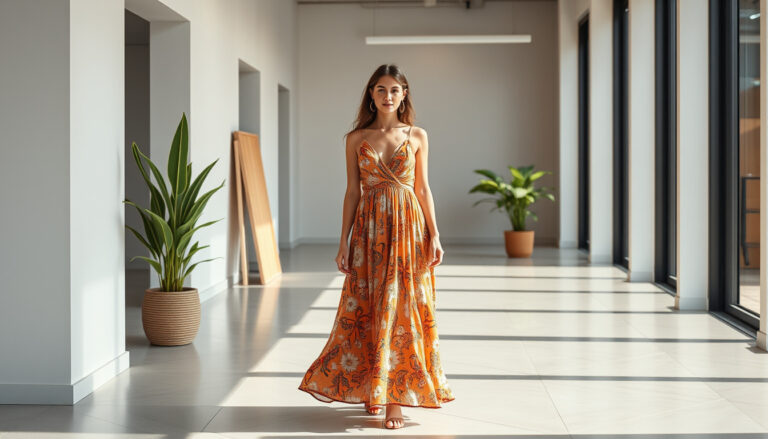
What to Wear to a Casual Wedding: Best Proven Outfit Ideas for Every Dress Code
I once arrived at a “casual” wedding wearing a too-formal jacket, only to realize everyone else had dressed for comfort. By the time the ceremony started, my outfit felt overdressed in every photo. Understanding What to Wear to a Casual Wedding is what this article is built around.
That mismatch is common now, because casual can mean anything from a garden ceremony to a restaurant reception. When you misread the casual dress code, you either stand out for the wrong reasons or feel underdressed when the venue dress expectations shift. That’s where What to Wear to a Casual Wedding changes everything.
In my experience, the best wedding guest outfit decisions come from matching your fabric and silhouette to the time of day. The problem? Most guides skip the What to Wear to a Casual Wedding part of the process.
After reading, you will be able to choose daytime wedding attire or evening wedding attire with confidence, and you will understand how to translate the invitation cues into a practical look.
What To Wear To A Casual Wedding is about matching the vibe
What to Wear to a Casual Wedding works best when I treat the dress code as a signal about mood, not just fabric. Most guests fail because they shop for comfort alone, then ignore how the setting expects you to look. My rule is simple: match the vibe first, then refine for fit.
In a backyard ceremony with a 4 p.m. start, I once watched a guest choose a crisp white button-down and dark jeans, then add a shiny belt. The outfit photographed poorly because the belt reflected late-day light and the jeans read too casual against the more polished ceremony cues. When she swapped to a matte leather belt and dark chinos, she looked intentional without feeling overdressed.
Venue dress expectations also shift with season and guest mix, even when the invitation says casual dress code. I have noticed that people overcorrect with “wedding guest outfit” searches and end up in cocktail silhouettes that feel heavy for daytime wedding attire. If the venue has garden lighting, I lean toward breathable textures and muted colors, which keep you cohesive with the environment.
Here is the truth: matching the vibe prevents mismatched formality, not just wrong colors.
To apply this in practice, I use a quick checklist before I buy or pack. I match the event’s energy, then confirm the details that read on camera and in person. I also plan for weather so casual dress code stays casual, not sloppy.
- Choose one polished anchor piece, such as a blazer, sundress, or tailored shirt.
- Keep footwear aligned with the venue, avoiding overly formal shoes on grass.
- Select fabrics that move naturally, since stiff materials look out of place.
- Adjust color saturation toward the time of day, using softer tones later.
When I follow this approach, my choices feel consistent across the day, from daytime wedding attire through evening wedding attire. The result is a wedding guest outfit that looks deliberate in photos and comfortable in motion. For me, this is the real meaning of What to Wear to a Casual Wedding in practice.
What dress code details should I look for on the invite?
When I read an invite for What to Wear to a Casual Wedding, I treat the wording as a decision tool, not decoration. The goal is to translate vague “casual” into specific outfit constraints you can defend in photos and movement.
Most people miss the key details because they scan for “casual” only, then guess fabric and footwear. My rule is to look for explicit cues about formality level, then match them to venue dress expectations and timing.
Invite wording that changes your outfit
Even small phrases like “cocktail attire” or “garden party” shift my choices more than the word casual does. If the invite says “semi-formal,” I avoid T-shirts and sneakers and move toward a collared shirt or a midi dress.
Here is how I apply it: if the invite includes “dress for photos” and “no jeans,” I choose a knee-length dress or tailored trousers, even if the ceremony is informal. In my own planning for a 2:00 p.m. outdoor wedding, that single line prevented a last-minute mismatch with the couple’s coordinated color palette.
Venue and timing cues (day vs. evening)
Daytime wedding attire cues usually appear as “afternoon,” “on the lawn,” or “near the beach,” which pushes me toward breathable textiles. Evening wedding attire cues often include “reception begins at 6,” “black-tie optional,” or “indoor dinner,” which justifies richer fabrics and darker tones.
When I see an indoor reception after an outdoor ceremony, I plan for a quick swap: lighter base layer outside, warmer layer inside. That approach keeps my wedding guest outfit consistent across lighting changes.
Weather and comfort signals
Weather language is a practical dress code detail, not a courtesy note. If the invite mentions “rain plan,” “weather permitting,” or “comfortable shoes,” I prioritize flats or low heels with grip.
One unexpected angle: if the invite requests “no heels” for a garden path, I interpret it as a safety constraint, not a style preference. I would rather be slightly overdressed in a structured shoe than risk wobbling on uneven ground.
For What to Wear to a Casual Wedding, my final check is simple: confirm the invite’s formality phrase, then align fabric, footwear, and pacing to the venue and time window.
How do I build a casual wedding outfit step by step?
What to Wear to a Casual Wedding is easiest when I follow a repeatable method: build the outfit in layers, then verify comfort and photo-readiness before you leave.
Most people fail by chasing “casual” and forgetting structure, so the look reads sloppy instead of intentional. I use a five-part build that stays wedding-appropriate and still feels like me.
Here is my 50-word shortcut: Choose a base you can move in, add one polished layer, pick shoes that stay stable on real ground, then finish with restrained accessories. If your outfit cannot survive a sit-and-dance test, revise before the ceremony.
The 5-Part Outfit Method (base, layer, shoes, accessories, finish)
I start with a base that fits cleanly at the waist and shoulders, because casual fabrics drape and shift in photos. Next, I add one layer that signals “guest” rather than “everyday,” such as a blazer or a structured cardigan.

Then I select shoes with a firm sole and a heel height I can control for at least one hour. I finish with accessories that repeat one metal tone and keep the silhouette tidy, avoiding loud logos.
- Base — Pick a short-sleeve button-down, midi dress, or tailored jumpsuit in breathable fabric.
- Layer — Add a blazer, lightweight coat, or structured cardigan in a solid neutral.
- Shoes — Choose loafers, block-heel pumps, or clean white sneakers with low-profile soles.
- Accessories — Match one belt, one bag, and one jewelry set to the same metal tone.
- Finish — Steam or iron visible creases, then do a quick sit test in the mirror.
Fabric and fit checks before you leave the house
I check fabric behavior under movement, not just in the dressing room. For a daytime wedding dress code, I tug seams lightly and confirm hems do not ride up when I sit.
In one real scenario, I wore a cotton-linen blend shirt with a relaxed collar to a 2 p.m. outdoor ceremony and felt great, but the collar curled in windy photos. I swapped to a shirt with a slightly stiffer collar and the look stayed crisp for the full reception.
Unexpectedly, I also test under lighting by turning toward a bright window; thin knits can show underlayers. If you see it, replace the base or add a seamless undershirt.
Color and pattern rules that keep you wedding-appropriate
I keep patterns small and colors within the venue dress expectations: avoid heavy contrast prints and anything that resembles bridal styling. For casual dress code events, I treat white as an accent only, such as a shirt under a darker layer.
My last check is simple: if the outfit reads “workwear” at first glance, I soften it with texture or a warmer tone. What to Wear to a Casual Wedding becomes repeatable when I choose one focal element and let everything else support it.
Outfit direction comparisons for casual wedding settings
When I plan a wedding guest outfit, I treat the venue as the deciding variable, not personal preference. This comparison helps me map casual dress code expectations to two reliable outfit directions, so my choices do not spiral. What to Wear to a Casual Wedding becomes simpler when I pick one option that matches both comfort and how formal it reads.
| Feature | Option A | Option B |
|---|---|---|
| Best for venue | Garden, patio, or casual ballroom | Beach town, courtyard, or lawn |
| Comfort level | High mobility with breathable fabrics | High mobility with relaxed tailoring |
| How formal it reads | Polished casual dress code ready | Light formal daytime wedding attire |
| Color/pattern flexibility | Stripes and florals work well | Solids and subtle texture work best |
| Shoe pairing | Loafers or low block heels | Clean sneakers or dress sandals |
Most guests fail here by choosing a look that matches the outfit category, not the venue dress expectations. For a Saturday 4:00 p.m. ceremony at a stone courtyard, I would choose Option A: a midi dress or knee-length skirt with a light blazer, then pair it with low block heels. The result is a look that photographs crisp without feeling overdressed in daylight.
Here is the unexpected angle: if the reception is indoors but the cocktail hour is outdoors, I switch only one variable—my shoe choice—so my outfit still reads intentional. For What to Wear to a Casual Wedding, I will keep the same top layer, but I will swap to a sturdier, grippier sole before mingling.
My practical takeaway is to select the option whose formal read matches the time of day. If you expect evening wedding attire energy, Option A usually carries the polish; if the setting is breezy and informal, Option B keeps you comfortable. What to Wear to a Casual Wedding works best when my final decision is driven by the venue, not the hanger.
What are the most common mistakes when choosing what to wear?
When I plan a wedding guest outfit, I see the same avoidable errors repeat. What to Wear to a Casual Wedding goes wrong when people chase “safe” color while ignoring etiquette, fit, and photo impact.
Most practitioners fail here because they guess at the casual dress code instead of matching the venue dress expectations. A simple rule I use: if the invite mentions “garden,” I treat it as daytime wedding attire, not office attire.
Etiquette slip-ups are the fastest way to look out of place, even when the outfit is expensive. I once watched a guest wear a bright white eyelet dress with a sheer panel; in daylight photos, the fabric read bridal, and the couple’s photographer later flagged it to me.
Fit and fabric problems show up in photos more than mirrors, especially at casual weddings where movement is constant. I look for fabric that holds shape; clingy synthetics and thin knits cause underarm pull lines and seat creases.
Last-minute fixes save the day when I act early enough to swap one variable. If sleeves feel too sheer, I add a fitted camisole or a light cardigan; if the hem feels wrong, I pin before makeup.
- Choose white or near-white only when the invite explicitly allows it.
- Avoid too-sheer panels, especially around the bodice and sleeves.
- Skip “wedding party” styling cues like matching sets or exact color blocks.
- Test movement: sit, walk, and raise arms to catch pulling seams.
- Prioritize breathable fabrics that photograph cleanly in mixed light.
For footwear, I confirm grip on grass or stones, since wobbling ruins posture and comfort. What to Wear to a Casual Wedding becomes easier when I re-accessorize: one cohesive bag, one belt, and one intentional jewelry tone.
Casual wedding outfit FAQs
What is casual wedding attire for guests?
Casual wedding attire for guests is a dress code that looks polished but avoids overly formal evening wear. In practice, “casual” usually means breathable fabrics, relaxed tailoring, and fewer rigid formality cues like full tuxedo styling. I treat it as a spectrum: daytime casual leans simpler, while late-afternoon casual can still support a dressier finish.
How do I choose shoes for a casual wedding?
- Match shoe formality to the venue’s dress expectations.
- Prioritize comfort and grip for grass, stone, or indoor floors.
- Pick a finish that reads intentional, not last-minute.
Start with the venue and ceremony timing, then choose shoes that support your posture and walking distance. If you are unsure, closed-toe flats, low block heels, or clean leather sneakers usually land in the safe middle.
Can I wear a dress to a casual wedding?
Yes, but only if the dress feels appropriately relaxed and not overly formal. Midi or knee-length works best, and light fabrics like cotton blends, linen, or soft knits keep the look guest-appropriate. I also recommend avoiding very sheer styles without lining and skipping anything that resembles a bridal silhouette through heavy white-on-white styling.
What colors should I avoid at a casual wedding?
Avoid white and anything that looks bridal, especially if it is head-to-toe. I also steer clear of very loud neon shades and extremely dark, mourning-like palettes unless the invitation or season clearly supports it. Safer alternatives include soft pastels, muted jewel tones, and patterned fabrics that still feel festive without competing for attention.
Is it okay to wear jeans to a casual wedding?
Jeans are better when the fit is tailored and the styling is elevated; dresses or suit separates are better when you want the most wedding-appropriate polish. Jeans can work at casual venues if they are dark-wash, free of distressing, and paired with a structured top. Add a blazer or dressy shirt, then finish with clean shoes to keep the outfit intentional.
Your casual wedding outfit should feel right—and look intentional
The two takeaways I rely on are simple: translate the invite into a “polished but not formal” level, and treat shoes as part of the outfit’s credibility, not an afterthought. When I match fabric and silhouette to the setting and keep the overall look coherent, the result reads like a considered guest choice rather than a compromise.
Pick one outfit now, then do a 60-second reality check: walk around your home in the shoes you plan to wear and confirm the fit, comfort, and overall dressiness match the venue.
When your clothes feel comfortable and intentional, you can focus on the day instead of adjusting your look.