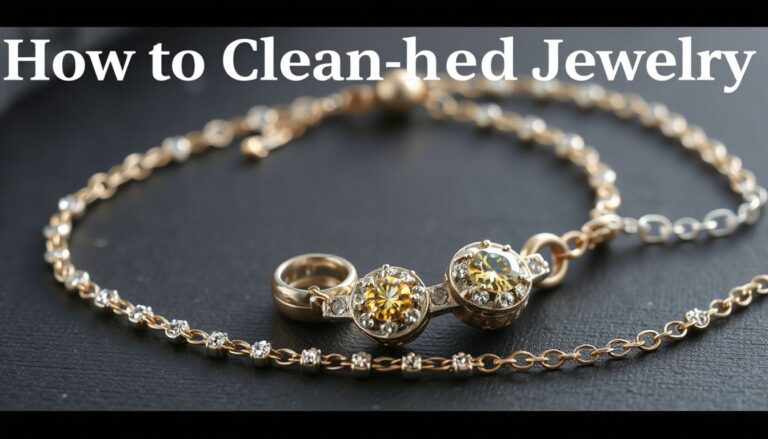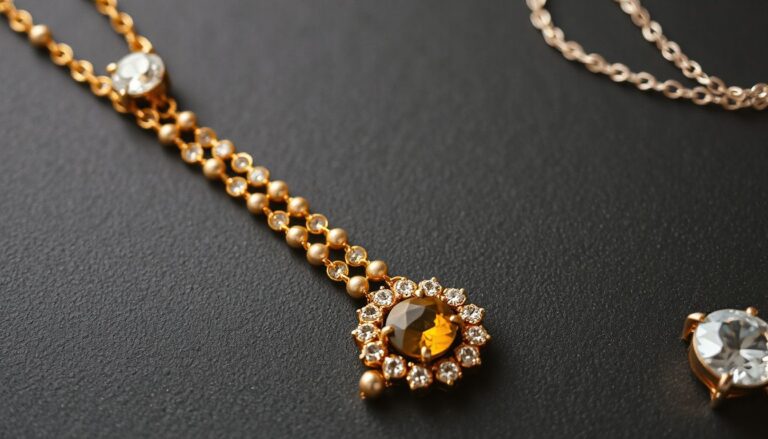
how to clean jewelry at home Expert-Backed Proven Step-by-Step Secret for Effortless Brilliant Results
How to clean jewelry at home is less about aggressive scrubbing and more about matching the method to the material. A quick rinse can restore sparkle on some pieces, while the wrong cleaner can dull plating, loosen stones, or etch soft gems. Look, most “dirty jewelry” is a mix of skin oils, soap residue, lotion, and everyday dust. Remove that film safely and the piece often looks new again.
Start with a simple rule: treat jewelry like a finish, not a tool. Use mild solutions first. Escalate only when needed. And never assume a diamond ring and a pearl necklace can share the same cleaning bowl.
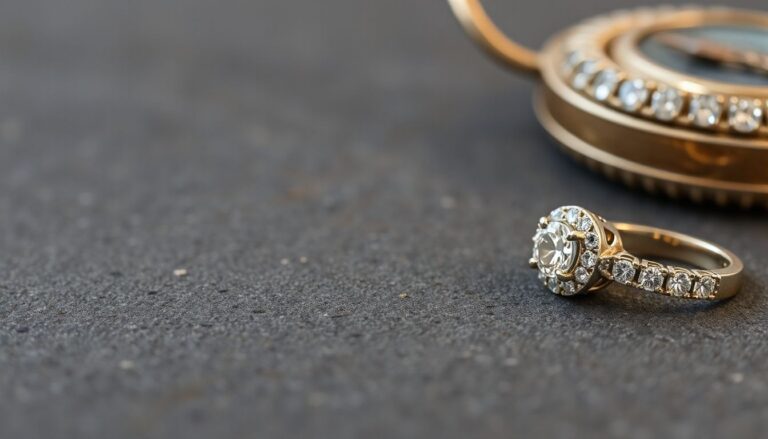
A practical example: a white gold engagement ring can look cloudy after sunscreen and hand cream build up under the setting. A 10-minute soak in warm water with mild dish soap, followed by gentle brushing around the prongs, typically restores brightness without risking the metal or stones.
Below is a clear buying guide, safe step-by-step methods, and a review of common at-home cleaners so you can clean confidently, not guess.
Buying Guide: Key Decision Factors
The best at-home jewelry cleaning approach starts with identification. Metal type, gemstone hardness, and whether the piece is plated or set with glue determine what is safe. Now, if you do not know the materials, assume the most delicate scenario and use the mildest method.
Metal matters. Solid gold, platinum, and sterling silver tolerate gentle soap-and-water cleaning well. Plated jewelry is different; soaking can shorten the life of plating, and abrasive cloths can rub through thin layers.
Gemstones vary widely. Diamonds, sapphires, and rubies are generally durable, but many popular stones are not. Opals, pearls, turquoise, amber, and emeralds can be porous, oiled, or softer, making them vulnerable to chemicals, heat, and prolonged soaking.
Consider your setting style. Pavé and halo designs trap debris but also have many tiny prongs. Heavy brushing can catch edges and loosen stones over time. Pieces with cracks, bent prongs, or rattling stones should be inspected by a jeweler before cleaning.
- Know the finish: high-polish, brushed, oxidized, or antique patina may change with rubbing.
- Check for adhesives: costume jewelry and some fashion pieces use glue that water and solvents can weaken.
- Match tools to the job: microfiber cloth, soft baby toothbrush, lint-free towel, and a small bowl.
Buying a cleaner? Prioritize clarity and compatibility over marketing. Choose products that state safe-use guidance by metal and stone type, avoid harsh acids, and include straightforward instructions. If a solution claims “safe for everything,” treat that as a warning, not a benefit.
| Jewelry Type | Best Default Method | Avoid |
|---|---|---|
| Solid gold/platinum with diamonds | Warm water + mild dish soap + soft brush | Bleach, abrasives, harsh degreasers |
| Sterling silver (tarnished) | Silver polishing cloth (light) + gentle wash | Toothpaste, rough pads, long soaks |
| Pearls/opals/turquoise | Damp cloth wipe only | Soaking, ultrasonic cleaners, chemicals |
| Plated or costume jewelry | Quick wipe + minimal moisture | Abrasive cloths, prolonged water exposure |
Step-by-Step: How to Clean Jewelry at Home Safely
Set up first. Use a clean bowl, warm (not hot) water, mild dish soap, a soft toothbrush, and a lint-free towel. Close the drain or work away from the sink. Small stones love disappearing acts.
- Inspect the piece: look for loose stones, bent prongs, cracks, or lifting plating. If anything moves, stop and get professional help.
- Prepare a mild bath: mix a few drops of dish soap into warm water. Keep it gentle; concentrated soap is harder to rinse and can leave film.
- Soak briefly: 5–10 minutes for durable pieces (solid gold/platinum, diamonds). For plated or costume jewelry, skip the soak and go straight to a wipe-down.
- Brush with restraint: use a soft brush to clean around prongs, under settings, and chain links. Light pressure. Short strokes.
- Rinse carefully: rinse with clean water in a bowl, not under an open tap, when possible. This reduces drop risk and prevents stones from snagging.
- Dry completely: pat dry, then air-dry. Moisture trapped under settings can dull shine and promote tarnish on silver.
But here’s the thing: “safe” also means knowing what not to do. Avoid toothpaste, baking soda pastes, vinegar, bleach, and household glass cleaners. Many are abrasive or chemically aggressive, and they can damage soft gemstones, plated finishes, and antique patina.
If you own pearls, opals, turquoise, or emeralds, keep it simple. Wipe with a slightly damp cloth, then dry. No soaking. No steam. No ultrasonic devices. For silver chains, a quick wash removes oils, while a silver cloth can address tarnish on the surface without soaking the entire piece.
Real-world routine: clean rings weekly if you use hand lotion daily. Clean necklaces monthly. Store pieces separately to reduce scratching and tangling.
Best At-Home Cleaners Reviewed: Soaps, Cloths, and Jewelry Cleaning Solutions
At-home jewelry cleaners fall into three practical categories: mild soaps, polishing cloths, and commercial jewelry solutions. Each has a place. None is universal.

Mild dish soap is the most reliable baseline for durable jewelry. It lifts oils and residue without harsh solvents. Use it for solid gold, platinum, and diamond jewelry, especially rings that collect hand cream and soap scum.
Microfiber and polishing cloths are best for quick maintenance. A microfiber cloth removes fingerprints and light film. A silver polishing cloth targets tarnish, but it can remove intentional oxidation or antique finishes. Use controlled strokes and avoid rubbing stones.
Commercial jewelry cleaning solutions can be effective when chosen carefully. Look for products that specify compatibility by metal and gemstone, include rinse instructions, and avoid strong ammonia for delicate settings. Some solutions are intended only for diamonds and hard stones; using them on pearls or porous gems can cause discoloration.
- Best for weekly upkeep: mild soap + soft brush + thorough drying.
- Best for quick shine: microfiber cloth on metal surfaces.
- Best for tarnish control: silver polishing cloth, used sparingly.
Now, about “all-in-one” dips. They can brighten metal fast, but they may also strip patina, catch in crevices, and leave residue if not rinsed well. If you use a dip, limit contact time and rinse thoroughly. For plated jewelry, dips are typically a poor choice because the chemistry and friction can accelerate wear.
Skip ultrasonic cleaners unless you know your piece is suitable. Ultrasonics can loosen stones, damage treated gems, and harm fragile settings. When in doubt, stick to soap and water. It is boring. It works.
Final Verdict
The safest, most effective approach is a conservative one: start with mild dish soap, warm water, and gentle brushing, then move to specialized tools only when the material calls for it. That method covers most solid gold, platinum, and diamond jewelry without unnecessary risk.
Choose cloths for maintenance, not rescue missions. A microfiber cloth is ideal for daily shine. A silver polishing cloth is a targeted tool for tarnish, best used lightly and not on intentionally darkened finishes. Commercial solutions can be useful, but only when the label clearly matches your metal and gemstone type.
If you remember one thing, make it this: unknown materials should be treated as delicate. Avoid soaking, avoid abrasives, and avoid strong chemicals. Pieces with pearls, opals, turquoise, emeralds, or glued settings deserve the gentlest care and minimal moisture.
- Most reliable: soap + warm water + soft brush.
- Fastest touch-up: microfiber cloth.
- When to stop DIY: loose stones, cracked settings, valuable antiques, or persistent cloudiness after cleaning.
Professional cleaning is not a failure. It is risk management. If a ring has loose prongs or a stone shifts under light pressure, do not clean it at home. Get it checked, then maintain it safely once it is secure.
FAQ: Can I use toothpaste to clean jewelry?
No. Toothpaste is abrasive and can scratch softer metals, wear down plating, and dull gemstones over time. Use mild dish soap and a soft brush instead, then rinse and dry thoroughly.
FAQ: How often should I clean my jewelry at home?
Rings worn daily often benefit from weekly cleaning because oils and lotions build up quickly. Necklaces and earrings can be cleaned monthly, or sooner if exposed to perfume, sweat, or sunscreen. Frequent light cleaning is safer than occasional aggressive scrubbing.
FAQ: What jewelry should never be soaked?
Avoid soaking pearls, opals, turquoise, emeralds (often treated), and most costume or glued jewelry. Water and chemicals can weaken adhesives, discolor porous stones, and damage delicate surfaces. Use a damp cloth wipe, then dry immediately.
Final Thoughts
Safe home cleaning comes down to restraint and material awareness. Identify what you have, start with the mildest method, and use tools that protect finishes and settings. Keep water exposure brief, rinse carefully, and dry completely.
When a piece is valuable, fragile, or structurally questionable, choose professional service. For everything else, a simple routine—soap, soft brush, and a clean cloth—keeps jewelry bright, wearable, and in good condition for the long term.