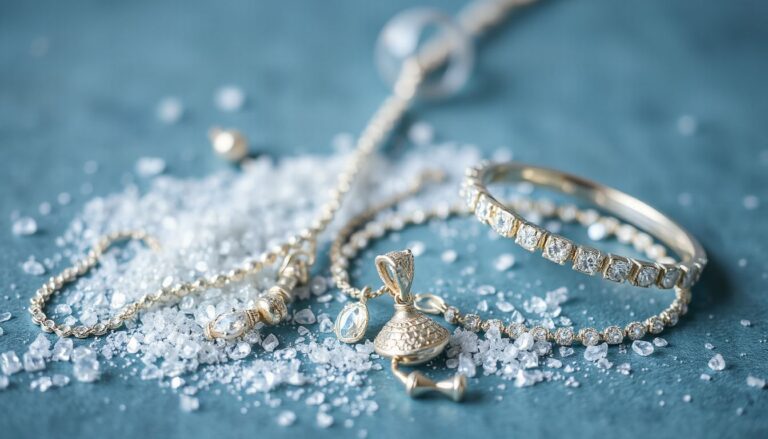
Best where to get jewelry appraised for a Guaranteed, Expert-Backed, Proven, Essential Choice
Where to get jewelry appraised is not a trivial question when a ring, necklace, or watch may represent thousands of dollars in value. The right appraisal can protect you for insurance, support a fair sale, or settle an estate without unnecessary conflict. The wrong appraisal can do the opposite. Fast. Misidentified stones, inflated replacement values, and vague reports are common failure points, especially when the appraiser is also trying to sell you something.
Look, an appraisal is not a single number pulled from the air. It is a documented opinion of value tied to a specific purpose, a market definition, and item identification details. Done correctly, it includes measurements, metal testing, gemstone grading observations, photos, and a clear valuation approach.
This guide explains how to choose a qualified professional, what the process should look like, and which venues are best for different goals. You will also see a real-world example of how two appraisals can vary and how to spot the difference before you pay.
Buying Guide: Key Decision Factors
Start with the appraisal’s purpose because it drives everything: the value type, the report format, and even the best place to go. Insurance typically uses a replacement cost approach. Resale decisions often rely on fair market value. Estate work may require a date-of-death value and tighter documentation.
Next, verify independence. If the same person appraises and offers to buy your piece, incentives can conflict. Some jewelers are ethical and transparent, but separation of roles reduces risk. Now, credentials. In the United States, look for appraisers with recognized training and a disciplined methodology, plus ongoing education in diamonds, colored stones, and metallurgy.
Fees matter, but not the way most people think. A percentage-based fee can encourage inflated numbers. A flat fee or hourly rate is generally cleaner. Ask what is included: stone grading, metal testing, photos, and whether the report meets insurer requirements.
- Purpose fit: insurance, resale, estate, donation, or divorce.
- Independence: appraise-only vs. appraise-and-buy.
- Fee structure: flat/hourly is usually safer than percentage.
- Documentation quality: photos, measurements, hallmarks, grading notes.
- Turnaround and security: on-site evaluation, chain-of-custody, storage.
Real-world example: a client brings a 1.50 ct diamond engagement ring for insurance. A mall jeweler quotes a high “replacement value” with minimal details. An independent appraiser produces a report with exact measurements, fluorescence notes, clarity characteristics plotted, and comparable replacement pricing. The second report is more defensible, and the insurer accepts it without follow-up questions.
Step-by-Step: How to Get Jewelry Appraised Without Getting Ripped Off
Step one: define the goal in one sentence. “I need an insurance appraisal for a platinum ring” is clear. “I want to know what it is worth” is not. Clarity prevents the appraiser from defaulting to an inappropriate value type.
Step two: pre-screen the professional before you hand over the item. Ask about credentials, experience with your category (estate jewelry, signed pieces, luxury watches), and whether they follow written standards. But here’s the thing: you also want to hear how they handle uncertainty. A trustworthy appraiser explains limitations and when advanced testing is needed.
- Book an appointment and confirm pricing in writing (flat fee or hourly).
- Bring documentation: prior appraisals, lab reports, receipts, brand papers, service records.
- Request a scope: metal testing method, gemstone observations, and photo requirements.
- Stay present if possible for high-value items, or confirm secure intake procedures.
- Review the draft for accuracy: spelling, measurements, hallmarks, stone counts, and photos.
Step three: insist on a report that matches your use case. Insurance reports should describe a like-kind replacement and specify the market level (local retail, specialty retail, or online). Estate and resale work should state the relevant market and valuation date.
Step four: watch for red flags. Vague descriptions (“diamond ring”), missing weights or dimensions, no photos, and no explanation of how value was derived. Also be cautious of appraisers who immediately push upgrades, repairs, or trade-ins before finishing identification.
Step five: keep the appraisal current. Many insurers recommend updates every 2–5 years depending on volatility and item type. Fine jewelry markets move. So do replacement costs.

Top Places Where to Get Jewelry Appraised: Pros, Cons, and What to Expect
Your best option depends on the item, your timeline, and whether you need strict independence. Some venues are excellent for convenience. Others are built for documentation and defensibility. Choose based on risk, not habit.
| Place | Best For | Pros | Cons |
|---|---|---|---|
| Independent appraiser (appraise-only) | Insurance, estate, disputes | Strong independence; detailed reports; clear fee models | May cost more; scheduling lead time |
| Local jeweler with appraisal services | Routine insurance updates | Convenient; may handle minor inspections/cleaning | Potential conflict if they sell/buy; report quality varies |
| Gem lab or specialty lab service | High-value stones; verification | Advanced testing; strong documentation for gems | Not always a full valuation; may require shipping |
| Auction house specialist | Signed pieces; estate collections | Market insight; resale-oriented guidance | Values may reflect auction expectations; consignment incentives |
| Luxury watch service center / specialist | Rolex, Omega, Patek, etc. | Model verification; parts/service context | May not issue formal value appraisals |
Independent appraisers are typically the safest choice when accuracy and neutrality matter most. Expect a structured intake, careful examination under magnification, metal verification, stone measurements, and a written report with photos. You pay for time and expertise. That is the point.
Jewelry stores can be practical for straightforward insurance appraisals, especially when you need a quick update. Ask whether the appraiser is in-house or contracted, and request a sample report. If they cannot show one, do not proceed.
Gem labs and specialty services shine when identification is complex: treated stones, fancy colors, or unusual materials. They may provide grading and identification rather than a full valuation, so confirm what you will receive.
Auction houses are useful for designer jewelry, antique pieces, and collections where resale is the likely path. Their estimates can be informed, but they are not the same as insurance replacement values. Different market. Different number.
Final Verdict
If you want the most defensible answer to where to get jewelry appraised, prioritize an independent, credentialed appraiser who provides a purpose-built report. That route reduces conflicts of interest and increases the chance your insurer, attorney, or buyer will accept the documentation without pushback.
Use a reputable jeweler when convenience is the priority and the piece is relatively standard, but verify the report quality before committing. For rare gemstones, high-value diamonds, or pieces with potential treatments, consider pairing an appraisal with lab identification. It costs more, yet it can prevent expensive mistakes.
- Best overall: independent appraiser for neutrality and documentation.
- Best for speed: established local jeweler with strong reporting standards.
- Best for complex stones: lab-supported identification plus valuation.
One practical approach: obtain an independent insurance appraisal, then request a separate purchase offer if you plan to sell. Two different tasks. Two different professionals, when possible. That separation keeps the process clean, and it keeps you in control.
FAQ: How much does a jewelry appraisal cost?
Pricing commonly ranges from a flat fee per item to an hourly rate, depending on complexity, documentation, and testing needs. Avoid percentage-based pricing tied to value, since it can incentivize inflated numbers. Ask for a written quote and what the report includes.
FAQ: How long does the appraisal process take?
Simple items may be completed the same day, while complex pieces, collections, or research-heavy signed jewelry can take several days. Turnaround depends on scheduling, whether stones must be unset for testing, and the level of documentation required for the intended use.
FAQ: Is an appraisal the same as an offer to buy?
No. An appraisal is an opinion of value for a defined purpose and market. A purchase offer reflects a buyer’s margin, risk, and resale channel. For clarity, request a written appraisal report first, then seek separate offers if selling is your goal.
Final Thoughts
Choosing where to get jewelry appraised is a risk-management decision. The best outcome is a report that clearly identifies what you own, explains the valuation basis, and stands up to scrutiny from insurers, attorneys, and informed buyers.
Pick the venue that matches your purpose, then validate independence, fee structure, and reporting standards before you hand over the piece. If anything feels rushed or vague, pause. A careful appraisal costs less than a costly mistake.