how to really clean jewelry Best Expert-Backed Proven Secret Essential Guaranteed
How to really clean jewelry is less about scrubbing harder and more about matching the method to the metal, stone, and setting. Oils from skin, lotion residue, and airborne grime build a film that dulls sparkle and can even trap moisture against prongs. That is where damage starts. Slow. Quiet. Expensive.
Look, most “quick fixes” fail for one reason: they treat all jewelry the same. A diamond ring can often handle gentle soap and a soft brush, while porous stones like opal or turquoise can be ruined by soaking. Silver needs a different approach than gold. Costume pieces have adhesives that hate water.
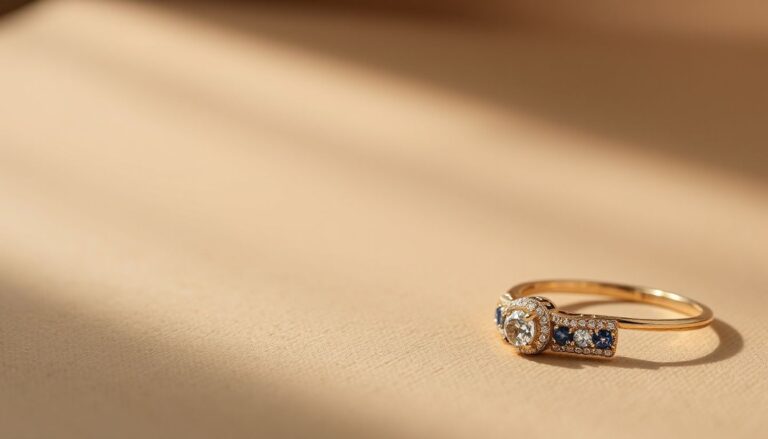
Use this guide to choose safe tools, follow a proven at-home process, and avoid common mistakes. Real-world example: a white-gold engagement ring that looks “cloudy” is often not a dirty diamond at all. It is lotion film plus residue under the head. A short soak, careful brushing, and thorough drying can restore brightness without a re-polish.
Buying Guide: Key Decision Factors
Start with identification. If you do not know what the piece is made of, assume it is delicate. Hallmarks help: “14K,” “18K,” “925,” “PT,” and brand stamps are clues, not guarantees. When in doubt, treat it like a mixed-material item and avoid harsh chemistry.
Next, evaluate the stone type and the setting. Hard stones (diamond, sapphire, ruby) tolerate more than soft or porous stones (opal, emerald, pearl, turquoise). Settings matter too. Pavé rings have many tiny prongs that catch fibers. Vintage pieces may have worn prongs or heat-sensitive repairs.
- Metal: gold, platinum, sterling silver, plated metals, or costume alloys
- Gemstone: hard (diamond) vs porous/soft (opal, pearl)
- Construction: prongs, bezel, pavé, glue-set stones, enamel, inlays
- Finish: high polish, brushed, oxidized, or patina you want to keep
Now consider product safety. Avoid cleaners that rely on chlorine bleach, harsh acids, or aggressive abrasives. “Tarnish removers” can strip intentional oxidation. Ultrasonic machines can be useful, but they are not universal. They can loosen stones, damage fracture-filled gems, and lift glued elements.
If you buy tools, prioritize control and softness. A baby-soft toothbrush or dedicated jewelry brush, lint-free microfiber, and wooden toothpicks offer precision without scratching. Choose a mild, dye-free dish soap for most metal-and-hard-stone pieces. For silver, a quality polishing cloth is often safer than dips.
| Jewelry Type | Best Safe Method | Avoid |
|---|---|---|
| Gold/Platinum + Diamonds | Warm water + mild soap + soft brush | Bleach, abrasive paste |
| Sterling Silver | Silver polishing cloth; brief soap wash | Overuse of dips; hard scrubbing |
| Pearls/Opals/Turquoise | Damp cloth wipe; minimal moisture | Soaking, ultrasonic, steam |
| Costume/Glue-set | Dry microfiber; targeted damp swab | Full immersion; alcohol on finishes |
Step-by-Step: How to Really Clean Jewelry at Home Without Damage
Set up like a professional. Use a bowl, warm (not hot) water, mild dish soap, a soft brush, microfiber cloth, and a towel. Close the drain or work over a bowl. Small stones disappear fast.
- Inspect first: check for loose stones, bent prongs, or cracks. If anything moves, stop and use a jeweler.
- Mix solution: a few drops of mild soap in warm water. No ammonia unless you know the piece can handle it.
- Soak briefly: 5–10 minutes for gold/platinum with hard stones. Skip soaking for pearls, opals, turquoise, and costume jewelry.
- Brush gently: use light pressure around prongs, under the stone, and in crevices. Short strokes. Let the bristles do the work.
- Rinse carefully: rinse in clean water in a bowl. Avoid blasting under a faucet where pieces can slip.
- Dry completely: pat dry, then air-dry. Moisture trapped under settings invites tarnish and grime.
But here’s the thing: technique changes by material. For sterling silver, wash lightly, dry fully, then finish with a silver polishing cloth. For pearls, wipe with a barely damp cloth and dry immediately; their nacre is sensitive to chemicals and abrasion.
For costume jewelry, keep water exposure minimal. Use a dry microfiber first. If needed, use a cotton swab barely dampened with soapy water, then a second swab with plain water, then dry. Avoid soaking because adhesives and foils can lift.
Real-world example: a ring with lotion buildup under the head. After a 10-minute soak, brush the underside of the setting and the gallery (the openwork under the stone). Rinse in a bowl, then dry with microfiber and let it sit 30 minutes. The “dull diamond” look often disappears.
Expert-Backed Product Reviews: Cleaners, Cloths, and Tools That Actually Work
Good cleaning products are boring. That is a compliment. They are gentle, consistent, and predictable across common jewelry types. The goal is to lift oils and grime without etching metal, loosening stones, or stripping finishes.

Liquid jewelry cleaners (for diamonds and hard stones) work best when they are non-abrasive and paired with a soft brush. Look for formulas labeled safe for gold and platinum. Avoid anything that smells strongly of chlorine or promises “instant” results through aggressive chemistry.
- Best use: gold/platinum with diamonds, sapphires, rubies
- Strength: removes skin oils and residue in settings
- Watch-outs: avoid on pearls, opals, emeralds (often treated), and costume jewelry
Polishing cloths are the safest “product” for many people, especially for silver. A two-layer silver cloth (cleaning layer + polishing layer) removes tarnish with control. Minimal risk. No liquid migration into settings.
Tools that matter are simple: a baby-soft toothbrush, a small detailing brush, microfiber cloths, and a wooden toothpick for gunk in tight corners. Skip metal picks. They scratch fast.
- Soft brush: for prongs, pavé gaps, and under-stone areas
- Microfiber: for final buffing without lint
- Wooden pick: for compacted debris (use gentle pressure)
What about ultrasonic cleaners? They can be effective for sturdy pieces, but they are not a default recommendation. If you use one, keep cycles short, avoid heat, and never use it for pearls, opals, emeralds, fracture-filled stones, or glue-set jewelry. When unsure, do not.
Final Verdict
The most reliable way to clean jewelry is a controlled routine: mild soap, warm water, soft brushing, careful rinsing, and complete drying. It is not glamorous. It works. The biggest improvements usually come from cleaning under settings where residue hides.
Buy products based on the piece, not the promise on the label. For most households, the best “kit” is small: mild dish soap, a soft brush, microfiber cloths, and a silver polishing cloth. Add a purpose-made cleaner only for robust pieces where you want extra degreasing power.
- Best all-around method: warm water + mild soap + soft brush
- Best for silver: silver polishing cloth (then light wash if needed)
- Best for delicate stones: damp cloth wipe only
If you see loose stones, hear rattling, or notice snagging prongs, stop and book a jeweler. Cleaning is not worth a lost center stone. Routine inspections and gentle cleaning protect both appearance and structure.
Now, keep it consistent. A quick clean every few weeks prevents heavy buildup that tempts harsh scrubbing later. That is the real secret to lasting shine.
FAQs & Final Thoughts
Can I use baking soda or toothpaste to clean jewelry?
Usually, you should not. Both are abrasive and can scratch softer metals, wear plating, and dull high-polish finishes. They can also lodge in settings and create a gritty paste. If you need tarnish removal on silver, use a dedicated silver polishing cloth instead.
How often should I clean my jewelry for best sparkle?
For daily-wear rings, a light at-home clean every 2–4 weeks is practical, with a quick microfiber wipe after heavy lotion or sunscreen use. For occasional pieces, clean after wearing before storage. Professional cleaning and inspection every 6–12 months helps catch loose prongs early.
When should I avoid cleaning at home and go to a jeweler?
Go to a jeweler if stones feel loose, prongs snag fabric, the piece has cracks, or the jewelry includes pearls, opals, emeralds, antique settings, or glue-set elements you cannot verify. Also seek help if discoloration persists; it may be plating wear or metal corrosion, not dirt.
Final Thoughts
Clean jewelry the way professionals think: identify materials, use the gentlest effective method, and protect settings. Small steps matter. A short soak for sturdy pieces, careful brushing under the stone, and thorough drying deliver the biggest visual change.
If you follow the process and respect the limits of delicate stones and costume construction, you will get reliable shine without surprise damage. Consistency beats intensity. Every time.