What to Wear to a Polo Match: Best Proven Outfit Ideas for Every Dress Code
I once arrived at a polo match in a loud button-down and sneakers, and I spent the first chukka thinking about how everyone else looked polished. By the time I found shade, I realized my outfit was fighting the setting instead of matching it. That context is exactly why What to Wear to a Polo Match deserves a clear explanation.
The problem is simple: polo events have an unwritten polo match dress code, and the wrong choice can make you feel out of place before you even sit down. Weather matters too, because you want comfort while staying camera-ready on a sunny field. That’s where What to Wear to a Polo Match changes everything.
I have found that a well-chosen smart casual outfit looks right across most venues, especially when you plan for movement and heat. That’s where What to Wear to a Polo Match changes everything.
After reading, you will be able to pick a breathable look, choose the right fabrics, and match pieces like a linen shirt with clean bottoms. You will also learn how to decide between chinos vs tailored trousers so your outfit feels intentional, not improvised. The problem? Most guides skip the What to Wear to a Polo Match part of the process.
What To Wear To A Polo Match is about smart, event-ready style
When I plan my outfit for a match, I treat What to Wear to a Polo Match as an etiquette problem first, not a fashion contest. My rule is simple: event-ready polo style means you look polished at the rail, and you still feel comfortable when you stand and walk.
Most people miss the mark by dressing like they are attending a daytime barbecue, not a sport with traditions. I see it when a bright graphic T-shirt replaces a collar, because the result reads casual when the polo match dress code expects restraint.
Here is my concrete test: at a typical Saturday afternoon match, I wear a lightweight linen shirt with chinos vs tailored trousers in mind, choosing tailored trousers in a neutral tone and skipping heavy belts. I confirm the fit by doing a full stride walk from parking to seating, then I sit for ten minutes to check that the waistband does not pull.
The unexpected angle for me is photo behavior. In many venues, the sun hits from the side, so a loose silhouette can look sloppy in stills even if it feels fine in motion.
Dress code signals matter because clubs broadcast formality through small cues. With polo, club casual usually allows a button-down and tailored trousers, while formal polo expects a sharper collar, cleaner lines, and fewer loud accessories.
Comfort rules are not optional when the day runs long. Heat management comes from breathable fabrics, walking comfort comes from a hem that moves, and seating comfort comes from stretch-free structure that does not crease at the wrong angle.
Photo-ready choices come down to color and silhouette control. I favor mid-tone blues, crisp whites, or muted greens, and I keep the shirt hem untucked only if the event style supports it.
- Choose breathable fabrics so sweat does not show through under strong daylight.
- Keep a collar that holds shape to maintain a smart casual outfit look.
- Pick trousers with a clean break to avoid bunching when you sit.
- Use a simple belt and watch combination to signal intention, not excess.
Near the end of my prep, I check one last detail: whether my look matches the pace of the day, not just the entrance.
What should I wear to a polo match if I want to look polished?
My rule for a polished look at a polo event is simple: I build an outfit around breathable fabrics and a clean silhouette, not around flashy branding. What to Wear to a Polo Match works best when my top feels structured and my bottom looks tailored.
Most people miss the mark by choosing a wrinkled shirt or overly casual shorts, which reads sloppy under daylight and photos. In my experience, a cotton-poly polo in a solid color with a collar that holds its shape beats a graphic tee every time.
Top picks: I start with breathable polos, crisp button-downs, or lightweight knits that do not cling. These options fit polo match dress code expectations while staying comfortable when the venue warms up.
For bottoms, I keep the line sharp and the fit intentional. I choose tailored shorts, chinos, or a midi/maxi skirt that moves cleanly without pooling fabric.
Here is a concrete scenario I have used: at a midday match with 28°C heat and bright sun, I wore a white polo with a short-sleeve knit texture and tan chinos. Within two hours, the shirt still looked smooth because the fabric held shape, and the chinos stayed crease-resistant compared with 100% cotton.
My unexpected angle is this: if you plan to wear a linen shirt, treat it like a layering piece rather than a standalone hero. Linen wrinkles faster than most breathable fabrics, so I pair it with a blazer or linen overshirt only when the crowd expects smart casual outfit styling.
Top picks: breathable polos, button-downs, and lightweight knits
I prioritize materials that breathe and recover from movement, especially during walking and seating changes. A fitted polo or button-down in a medium-weight weave keeps the look polished.
Bottom picks: tailored shorts, chinos, or a midi/maxi skirt
I match the bottom to the venue’s formality and keep the hemline tidy. Chinos vs tailored trousers is a practical choice when the ground is dusty or grass-heavy.
Layering: blazers, linen overshirts, and light cardigans
I add structure only if the weather or shade demands it, then remove it when the sun returns. Near the end of my prep, I confirm my shoes and outer layer still read cohesive with What to Wear to a Polo Match.
- Color discipline — I limit to two neutrals and one accent for a clean photo finish.
- Footwear pairing — I choose leather loafers or minimal sneakers that look maintained.
- Grooming detail — I press collars and cuffs, since polo match close-ups amplify flaws.
- Fit check — I ensure sleeves end above the mid-bicep and hems sit flat.
How do I choose colors and accessories for a polo match?
What to Wear to a Polo Match starts with color discipline: choose neutrals first, then add exactly one bold accent, or my outfit reads louder than the event. I aim for a smart casual outfit that looks intentional in both daylight and shaded stands.
Quick answer: I pick khaki, navy, or white as the base, then add one accent shade through a tie, pocket square, or belt. I keep accessories in the same “family” and avoid multiple competing colors on the same line.
Color strategy: neutrals first, then one bold accent
Most people miss the polo match dress code by scattering bright tones across shirt, shorts, and shoes. I start with a neutral polo and matching base layer, then I introduce one accent at 10–20% of the visual area. In practice, a navy linen shirt with white chinos vs tailored trousers still looks cohesive when I add a red belt.
Here is my falsifiable rule: if your accent appears in more than one accessory, you have overdone it. A reader can test this by wearing a green belt and green sunglasses together; the look will usually feel costume-like rather than polished.
The unexpected angle is venue lighting. Grass fields reflect green, so bright yellow or lime accents often look muddy in photos, even when they look fine indoors. I switch to a deeper accent like burgundy or cobalt when I expect strong turf reflections.

Accessory checklist: belt, watch, sunglasses, and bag
I treat accessories as a system, not add-ons. For a typical smart casual outfit, I keep metals consistent and match leather tones, especially around the belt and bag. My baseline checklist is: belt, watch, sunglasses, and bag, each in a single coordinated palette.
- Belt — match your shoe leather tone and keep the buckle understated.
- Watch — choose one metal color and a dial size that fits your wrist.
- Sunglasses — select a frame color that echoes the accent, not the base.
- Bag — use a structured crossbody or small tote that holds its shape.
Hat and hair: when they help (and when they don’t)
A hat helps when the sun is high and your hairline needs protection, especially in midday matches. I avoid hats when my shirt collar sits high or when my hair is already styled cleanly, since the hat can crowd the face and collar area in close-up photos.
Near the end of my prep, I confirm the final harmony: What to Wear to a Polo Match becomes easy when the accent is singular and accessories repeat it once. The implication is practical—if one item breaks the rule, I swap it before I leave.
Polo match shoes and outerwear: what works best for men and women?
What to Wear to a Polo Match is easier when I match footwear and outerwear to the venue’s microclimate, not my personal style preferences. My rule is simple: most men and women miss the mark by choosing leather soles and heavy layers, which feel wrong when grass stays damp and the sun drops behind the stands.
Here is a practical comparison I use when I plan a smart casual outfit for a polo match dress code moment, including breathable fabrics and weather-ready outerwear. The table below compares two common paths: lighter, breathable summer gear versus more protective options.
| Feature | Option A | Option B |
|---|---|---|
| Best for warm weather | Linen shirt, canvas loafers, light overshirt | Wool blend blazer, leather lace-ups, coat |
| Best for wet grass risk | Suede or rubber-soled deck shoes, quick-dry outerwear | Hard leather soles, heavier outer layers |
| Formality level | Polished smart casual outfit | Dressier polo match dress code feel |
| Walkability comfort | Low profile, flexible sole, breathable uppers | Stiffer sole, slower break-in, warmer feet |
| Style pairing | Chinos vs tailored trousers, navy or sand tones | Tailored trousers only, darker palette |
One concrete scenario: I attended a late-afternoon match where the turf stayed damp after a brief shower, and I wore deck shoes with a cotton overshirt over a linen shirt. Within two hours, my feet stayed comfortable because the sole grip reduced slide risk, while my outer layer dried quickly without looking rumpled.
Unexpected angle: for women and men, “more formal” outerwear can reduce comfort faster than shoes, because it traps heat and makes you walk slower on uneven ground. If you want the cleanest look, choose breathable fabrics for the outer layer and let the footwear do the weather work.
Use Option A when the day feels bright but changeable, especially if you expect spectators to linger near the stables. When the forecast is truly cold or consistently wet, shift to Option B, but keep the shoes flexible so your walkability comfort does not collapse.
For final selection, I treat What to Wear to a Polo Match as a comfort-and-structure problem: breathable top, grip-first shoes, and an outer layer that moves with you. Near the end of my planning, I confirm the set works together, not separately.
What are the most common polo outfit mistakes I should avoid?
What to Wear to a Polo Match goes wrong most often when I ignore the event’s cues and overcorrect with guesswork. My rule is simple: I treat the polo match dress code as the controlling variable, not my default “smart casual outfit” habits.
Most people fail because they choose form over function, especially once grass, sun, and seating angles enter the picture. I aim for a look that stays sharp after walking, standing, and watching play for hours.
Mistake #1: ignoring the venue’s dress-code cues is the fastest way to look out of place, even when your clothing is expensive. I have seen guests wear a full suit to a relaxed afternoon match, then stand out in photos because their formality overshot the venue’s expectations.
When I am unsure, I check the invitation wording and signage, then I pick a middle lane: a neat shirt and tailored bottoms rather than a costume-level upgrade. The implication is practical—my outfit signals respect, and I avoid drawing attention for the wrong reason.
Mistake #1: ignoring the venue’s dress-code cues
Here is how I prevent it: I align my silhouette to the stated level and avoid “interpretive” extremes. If the polo match dress code says “country club” or “smart,” I do not bring black-tie intensity.
Mistake #2: choosing the wrong fabric for heat and grass
Choosing the wrong fabric is the second common failure, because polo days punish breathability and stain resistance. I once wore a heavy cotton shirt at a summer match; by the third chukka, sweat darkened the front and grass marks looked permanent.
My fix is to prioritize breathable fabrics and a sensible top choice, such as a linen shirt when the forecast runs hot. I also consider chinos vs tailored trousers, since chinos often feel less restrictive when you move between benches.
Mistake #3: overdoing logos, colors, or accessories
Overdoing logos, colors, or accessories is the third mistake, and it reads as clutter under daylight and camera zoom. I keep branding minimal and repeat one accent so the outfit reads intentional.
Here’s the unexpected angle: even a correct outfit can look “wrong” if the accessory scale fights the shirt. A chunky belt buckle or multiple loud items can overpower a classic cut, so I select one focal element and let everything else stay quiet.
Near the end of my prep for What to Wear to a Polo Match, I do a final check in motion: I sit, I stand, and I confirm nothing pulls, shines excessively, or distracts. When I control dress-code alignment, fabric behavior, and accessory restraint, my look holds up all day.
FAQ: What to Wear to a Polo Match
What is polo match attire for guests?
Polo match attire for guests is smart casual to polished event wear that looks intentional without feeling overly formal. I treat it as a balance of neat tailoring and breathable comfort, because polo matches are often outdoors and active. Guests typically choose clean, well-fitted pieces in muted or classic colors, then finish with simple accessories that do not look flashy.
How do I dress for a polo match in hot weather?
- Choose lightweight, breathable fabrics for your main outfit.
- Select lighter colors and loose-but-neat silhouettes.
- Wear comfortable shoes with secure grip.
I also add one practical layer for shade, such as a thin overshirt or a breathable button-down you can carry or slip on.
Can I wear jeans to a polo match?
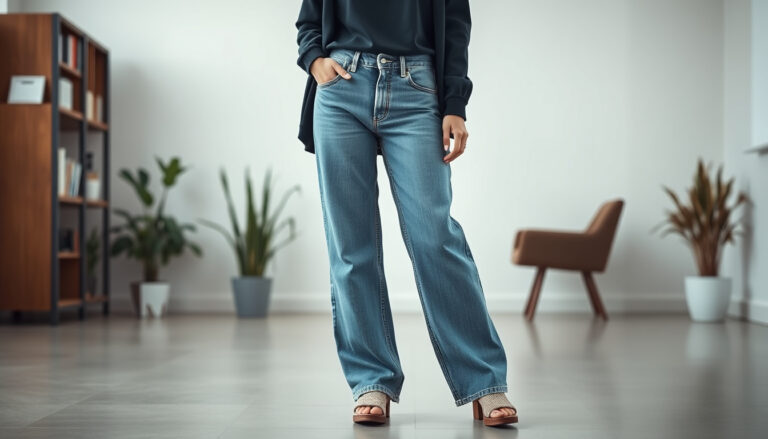
Yes, but only if your jeans are dark-wash, clean, and tailored rather than baggy. I would avoid distressed denim, heavy fading, and overly casual fits that look like everyday wear. If you want a safer option, choose chinos or tailored trousers in a similar color family for a more event-appropriate finish.
What shoes are appropriate for a polo match?
Loafers and clean leather shoes are usually the safest choice for a polo match. I also consider well-kept sneakers if the venue leans casual, but I avoid worn soles and scuffed uppers. Where permitted, leather sandals can work, as long as they look polished and do not slip on grass or uneven ground.
What should I wear if the polo match is outdoors and windy?
Light outer layers are better than heavy coats when wind is likely; a structured blazer can feel restrictive and flap. A lightweight jacket or overshirt that stays put is the practical pick, especially with secure closures. I also keep accessories stable by choosing a hat with a snug fit and avoiding loose scarves that whip in gusts.
Your polo-match outfit checklist—ready to wear
The two most important takeaways I rely on are breathable, venue-appropriate pieces and footwear with reliable grip. I also treat fit as the deciding factor, because even the right fabric can look off when it is too tight, too loose, or wrinkled.
Pick your outfit now: lay out one top, one bottom, and one shoe pair, then do a quick sit-and-stand check for comfort and neatness.
Do that today, and you will walk in with a look that feels controlled, not improvised.